
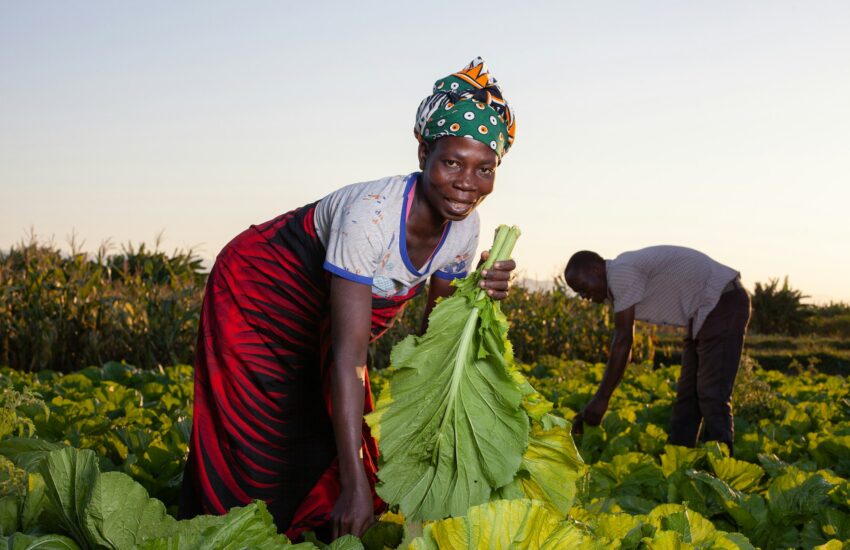
Digital Innovation and the Future of Food
Africa’s food systems are undergoing a quiet but powerful transformation. While agriculture remains rooted in land, labor, and local knowledge, digital innovation is rapidly reshaping how farmers produce, access markets, manage risks, and make decisions. The integration of technology into agriculture is no longer optional. It is becoming essential for resilience, efficiency, and long-term growth.
At AFSEN Africa, we recognize that digital tools, when thoughtfully implemented, can unlock new opportunities for farmers, cooperatives, and agribusinesses across the continent.
The Digital Gap in Agriculture
Many smallholder farmers still operate without access to timely weather updates, reliable market prices, financial services, or modern extension support. This information gap leads to poor planning, reduced productivity, and limited bargaining power in markets.
Bridging this gap requires more than distributing devices. It demands practical solutions that are affordable, accessible, and tailored to local realities, including language, connectivity, and literacy levels.
Expanding Access to Information
Mobile-based advisory platforms and digital extension services are helping farmers make informed decisions about planting, irrigation, pest control, and harvesting. Access to real-time data reduces uncertainty and improves farm planning.
When farmers understand market demand and price trends, they can negotiate better and avoid unnecessary losses. Information becomes a tool of empowerment rather than a privilege.
Financial Inclusion Through Technology
Access to finance remains one of the biggest constraints for rural communities. Digital payment systems and mobile-based lending platforms are expanding financial inclusion by connecting farmers to credit, savings tools, and insurance products.
Digital finance reduces transaction costs and improves transparency, allowing farmers to invest in quality inputs, expand operations, and protect themselves against climate-related losses.
Strengthening Value Chains
Technology is also improving coordination across agricultural value chains. Digital traceability systems enhance transparency from farm to consumer, building trust and opening access to regional and international markets.
Logistics platforms are streamlining transportation and reducing post-harvest losses by connecting farmers directly with buyers. This reduces dependency on informal middlemen and increases income retention at the producer level.
Empowering Youth Through Agri-Tech
Digital agriculture is particularly attractive to young people. By combining technology with agribusiness, new opportunities are emerging in data services, mechanization support, digital marketing, and value addition.
Supporting youth-led innovation not only modernizes agriculture but also addresses unemployment and rural-urban migration. Agriculture becomes a viable and competitive career path rather than a last resort.
A Sustainable Digital Transition
Technology alone cannot solve structural agricultural challenges. Successful digital transformation requires strong partnerships, training, supportive policies, and reliable infrastructure.
At AFSEN Africa, we advocate for inclusive digital solutions that complement traditional knowledge while strengthening resilience, productivity, and sustainability. By aligning innovation with community needs, digital agriculture can become a catalyst for equitable growth and food system transformation across Africa.
The future of agriculture in Africa will not only be grown in fields. It will also be shaped by data, connectivity, and innovation working hand in hand with communities.
